Bentonite clay masks are widely used in skincare routines for their powerful ability to cleanse pores, absorb excess oil, and support clearer-looking skin. Known for their strong absorbing properties, these masks are especially popular for oily and acne-prone skin types.
In this guide, we explore the key benefits of bentonite clay masks and how they compare to other clay-based skincare treatments.
What Is Bentonite Clay?
Bentonite clay is a natural clay formed from volcanic ash. It is known for its ability to absorb impurities and bind to toxins, making it a popular ingredient in skincare products.
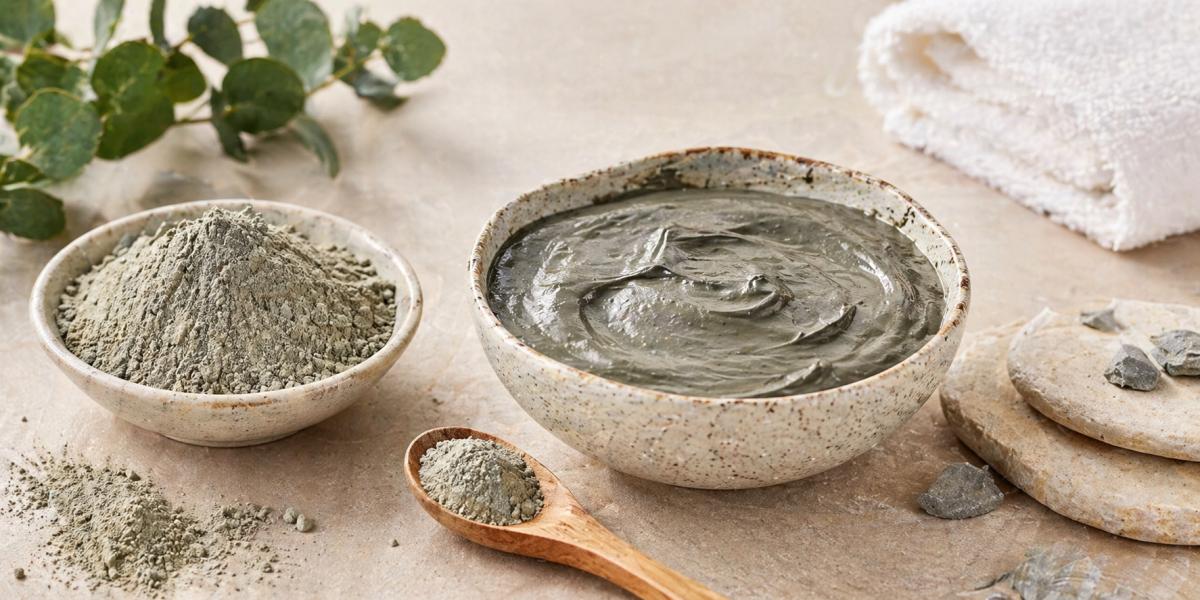
When mixed with water, bentonite clay forms a paste that can be applied to the skin, where it works to draw out dirt, oil, and other impurities from pores.
Main Benefits of Bentonite Clay Masks
Deep Pore Cleansing
Bentonite clay is highly effective at drawing impurities out of the skin. As the mask dries, it helps remove dirt, excess oil, and pollutants that can clog pores.
Oil Absorption
This type of clay is especially useful for people with oily skin. It absorbs excess sebum, helping to reduce shine and prevent clogged pores.
If your main concern is oil control, you may also want to explore our guide to Top Mud Masks for Oily Skin.
Acne Support
By removing excess oil and impurities, bentonite clay masks can help support clearer-looking skin. They are often included in routines aimed at reducing breakouts.
For more targeted options, see our guide to Best Mud Masks for Acne.
Skin Detox Support
Bentonite clay is commonly used in detox-style skincare treatments due to its ability to bind to impurities and remove them from the skin’s surface.
Bentonite Clay vs Other Clays
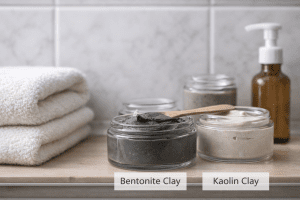
Bentonite clay is stronger than many other types of clay used in skincare. While it is highly effective for oily and acne-prone skin, it may be too strong for sensitive skin types.
If you have sensitive skin, you may prefer gentler options such as those covered in our guide to clay masks for sensitive skin.
For comparison between clay and mud masks, see our full breakdown here: Mud Mask vs Clay Mask Guide.
Who Should Use Bentonite Clay Masks?
- Oily skin types
- Acne-prone skin
- Combination skin
- People with clogged pores
If your skin is more sensitive, you may benefit from gentler alternatives such as those discussed in our sensitive skin guide.
How Often Should You Use a Bentonite Clay Mask?
Most people benefit from using a bentonite clay mask once per week. Overuse may lead to dryness, especially for those with combination or sensitive skin.
How to Use a Bentonite Clay Mask
- Start with clean skin
- Mix the clay with water to form a paste
- Apply evenly to the face
- Leave for 10–15 minutes
- Rinse thoroughly with warm water
- Follow with moisturiser
Explore Bentonite Clay Masks
Browse a range of bentonite clay products designed for deep cleansing and oil control:
Final Thoughts
Bentonite clay masks are one of the most powerful options available for deep cleansing and oil control. When used correctly, they can help support clearer, healthier-looking skin.
As part of a balanced skincare routine, they work best when combined with other treatments suited to your skin type.